We just finished a long in depth course: Introduction to Judaism by the Union For Reform Judaism.
I am a lifelong learner, in many ways a perpetual graduate student, because while I have read many articles by a variety of writers and organizations on Twitter, Instagram, and LinkedIn, I’m still learning more about the nature of antisemitism. This year my husband and I did a deep research dive on the history of Zionism with sources from many scholars, including Simon Schama’s “History of the Jews” –which for some weird reason is no longer available on PBS. One thing is clear to me: there are many more sneaky ways that Jews are being discriminated against since the recent events in Israel.
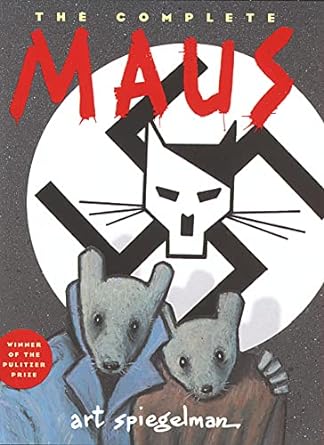
Many years ago, while in Graduate School, my husband and I co-taught two sections of English Composition in the Honors College at the University of Houston. Our booklist included “MAUS” by Art Spiegelman. We paired it with “The Diary of Anne Frank” in some discussions. The class was made up of students from Texas, other parts of the United States, other countries including Pakistan, and self identified as a variety of religions including Baptist, Jewish, and Muslim. The students were motivated, passionate, and articulate about why they liked and disliked these books.
On the morning of 9/11, our day off from teaching, we stayed home in our small apartment watching the news reports from New York City, emailing and calling friends in New York.
Always in the forefront of our minds: How will we teach this class and material tomorrow?
On the way to school that morning we passed a large beat up old truck with a maybe 4 ft. by 1 ft. (?) Statue of Liberty recreation attached to the bumper with chicken wire. Texans had already become vocal and passively vocal about where they stood.
When we arrived early for our class, the common space of the Honors College had already filled up with dorm students, and when Dean Ted came through the door, he told the receptionist to order food:
“We need to feed everyone. Let’s get some food for these students.”
This was long before cell phones, so students were given access to phones so they could call home—inside or outside of this country—from the University. When the time came I opened the door to our classroom already filled with students drinking out of paper cups and eating a first, second, or third breakfast. After class no one wanted to leave the safe confines of the Honors College.
This was the entry point of my connection to Art Spiegelman’s “MAUS”, and “In The Shadow of Two Towers” and the beginning of my scholarship, including “Drawing History: Interpretation in the Illustrated Version of the 9/11 Commission Report and Art Spiegelman’s In The Shadow of No Towers as Historical Biography.”
All of the above will always be intertwined in some way.
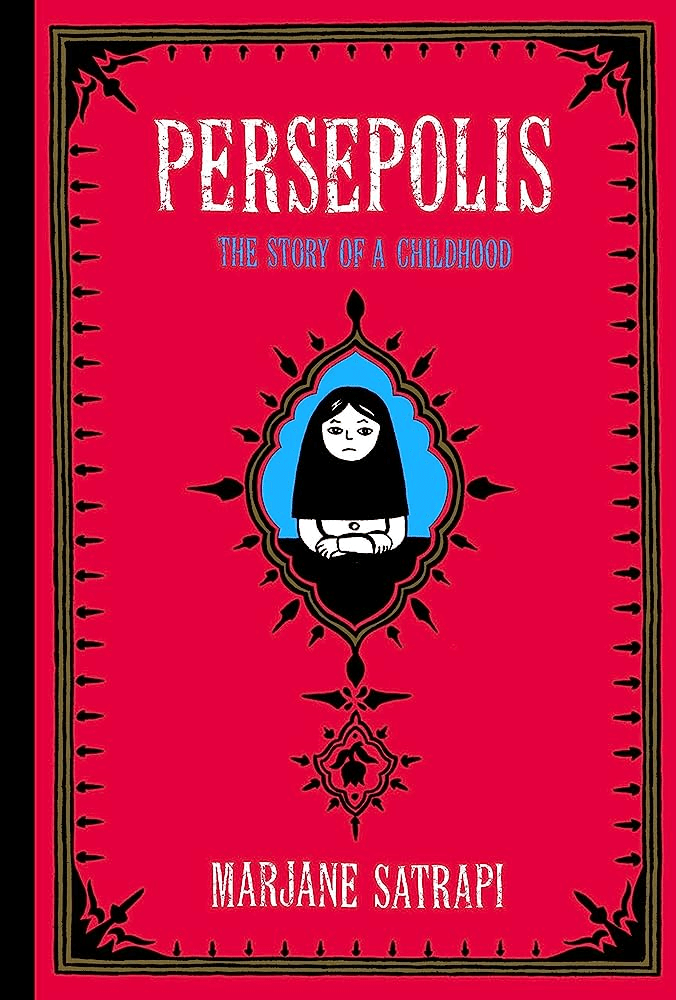
Later in my teaching career I added Persepolis by Marjane Statrapi
 Mary Louise Penaz
Leave a comment