When I was in graduate school in Houston, I worked a summer at a busy upscale grocery store, and employees who worked on the floor were obligated to bag groceries in the checkout area whenever there was a shortage of baggers. I saw the CEO standing behind a register bagging groceries when he was in town several times.
A very talented artist—I will call him Roy—worked part-time. Honestly, everybody loved Roy. Truly. You could not work with a more giving person on earth. And he was very talented. But he had a troubled past, and when he tried to explain his life to the other workers, he often teared up.
Nonetheless, during his shift, the line in front of his register grew longer than the others. So long that other registers had no one waiting for checkout.
Most times when this happened, the manager would make his way up front and ask each customer in his line if they wouldn’t prefer to avoid waiting in his line and move to the next register. He pointed, and on cue, the cashier he was referring to would look up, smile, and wave back to the customer: “I can help y’all right over here if you want?”
But oh, no. The customers told the manager politely they would prefer to wait in line so Roy could check their groceries. They liked the way Roy treated them.
I stood there for a long while listening and learning how exactly Roy treated his customers. First, he made sure he greeted each customer by their first name, and by the grace of good memory, he always referred to something—an event, a story, a birthday date of the customer or their child—and the customer would smile back at him.
A much older woman told the manager: “You keep your hands off my cart. I’m here to get a dose of my Roy.”
It was true. Roy poured love and sunshine all over his customers and they left the store beaming.
Even when others stood in line just to mess with his head, he’d just smile and mention how much he liked their new outfit.
“Where did you buy that? Dillards?”
The company dealt with this situation in the way they always did to avoid a confrontation or further conflict: a meeting followed by an industrial film (actors who play employees in short films) showing employees “best practices.”
It was all very polite. A vegan or classic box lunch was included. Everybody was in attendance including Roy. By the end of the meeting everyone knew what the point was: Roy was spending too much time with his customers and that being efficient was the best practice for this company.
Nothing else was ever said directly to Roy about the film or the implied behavior changes. I was not in their company, but the next day I was told that no one had mentioned it to Roy either. Cars followed other cars from the parking lot to a local late-night club, and there was heavy partying and dancing.
I never said a word to him about it either. What would I say to him?
His next shift went pretty much in the same way: a long line of people wanting to spend time with Roy, their favorite cashier.
The next day Roy never showed up. We never saw him in the store again.
I remember the in-house bakers were sobbing. The florist department set a sign on their counter that said they refused to make any comments to any customers on Roy. While mopping the floor, a janitor kept reminding everyone:
“Move away, because I can’t be nice to anyone or they will fire me!”
There was some talk about his drug use and that Roy was taking a leave of absence for health reasons.
In my mind, Roy was too good for this world. He was a talented artist who simply could not stop trying to make other people like him, and he couldn’t set healthy boundaries so he could feel safe and loved without their approval. The worst part for me was that in the third largest city in this country, not one doctor could help Roy in a way that would keep the best parts of Roy and not destroy his life.
I went back to graduate school as a teacher and student that fall semester and never returned to this store.
I never saw Friends until it was deep into reruns. Admittedly I never watched it closely as a fan. But when something happens and the media covers it, a whole bunch of people think to themselves that’s my son, daughter, brother, father.
This week the toxicology report came back explaining the sudden death of Mathew Perry. I don’t hold on for too long to any ideas about him floating around in the media except that he was trying to stay sober and clean of drugs and wrote a book about it.
It’s too easy to prescribe medication these days. The Republican party prefers mental health that includes medication over the reduction of gun use. Big Pharma loves to sell medication at big profits.
It’s not an excuse for addiction, but I know, and maybe you know firsthand that drug use can turn the best people in the world into complete assholes and dangerous people.
I do hope his family sues Perry’s doctor, who made available to Perry a triple dose of a medication he got two weeks before. I am not sure how else to curb this kind of abuse except through regulation.
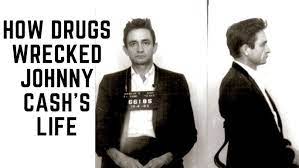
I will leave you with this video: the artist Johnny Cash dealt with addiction and knew how to deal with his doctors.
 Mary Louise Penaz
Leave a comment