
When in public, in-person, or Zooming, my husband and I practice non-violent engagement. Peaceful withdrawl from an agressive person or group takes practice, practice, practice.
When in-person or while visiting on the phone or during a Zoom group with close friends, we can let our guard down a bit, however, it will always be part of our way of dealing with the choices we made a long time ago which include being lifelong learners of literature, teaching as a vocation, and being social justice advocates.
Here’s an example. Last week we were sitting at a table having a safe and healthy discussion with friends when a couple joined us, and the wife immediately started dominating the conversation and singling me out with eye contact and questions meant to make us look and feel stupid. (That’s my shortcut answer to her psychological profile.)
After I had a similar experience many years ago I told a dear friend and he quipped, “That’s why I don’t get involved in politics anymore!!” We all laughed until our ribs hurt, and cried hard. He’s totally into voicing his opinions at all costs.
But therein lies the rub, Non-Violent Engagement 101:
Pick your battles wisely.
You’re right! Yes, you can feel it, the cringe of being manipulated. Don’t take the bait.
Don’t fall for it. Don’t feel like you have to solve other people’s problems because they can’t fix it. A pugnacious spouse with a passive husband looking at you, pleading, “HELP ME!” doesn’t mean you have to. DON’T!
Scan your body for stress: toes, stomach, palms, arms, neck, head. Relax. Breathe.
Look away from the perpetrator. Smile at someone who loves you.
Choose: remain seated if you wish, but let go of or ignore every comment the abuser sends your way, and most especially the mocking tone.
No, not everyone is funny. No, you are not being too sensitive. The abuser knows they are mocking you. The abuser wishes he is funny and wishes the entire table loves him. They don’t! Like you other people sitting at the table are processing some related form of fear and simply trying to anticipate the abusers next move.
You don’t have to like everyone. If someone shouting your name from across the table or room to draw attention to a fight is a trigger for you, perhaps it sounds familiar like your drunk Uncle from the past, well, in many ways he is!! Create a healthy script for self-soothing. Talk to yourself even if it’s in silence.
Don’t respond. Don’t return a sarcastic comment.
OR
Choose: tell them “This is an unhealthy conversation and I am asking you to respect my boundaries and leave me (us, my children) alone.”
Choose: Do not treat every argument as valid. Don’t explain why you won’t engage with this hostile person’s point of view.
(Scan the table and validate that others become silent for the same reasons. Bullies create emotional earthquakes. Bullies trigger past trauma. Unhappy people dislike happy people; people ashamed of who they are, and love picking on others–but none of this is your problem. Move on.
Choose: that sad look from the passive enabler boyfriend, spouse or relative is not your problem. They could be in denial or maybe they like the way this works for them too.
Choose: accept the fact that this person will most probably never change.
Choose: set healthy boundaries.
Choose: get up and walk away.
Choose: cultivate healthy habits in the days leading up to events like this so you can feel like a million bucks when you walk in. Unfortunately, these kinds of people turn up everywhere and the worst thing you can do is stop showing up or going out in public.
Plan beforehand who you want to stand next to at a protest. Find a “Peace Posse” and make sure you walk in together.
It’s getting worse, not better. The MAGAS love this kind of interaction. So do fake Democrats. So do over-medicated people. So do couples stuck in an unhealthy marriage. When you see them coming toward you, always have an exit strategy.
NEVER go anywhere without an exit strategy.
Talk about it later.
One of my favorite organizations is https://al-anon.org/ and that includes this book. Basically it tells you ways to stay protected from abusers because no one has the right to EVER physically or mentally abuse you. If someone in your family, friendship circle, or other organizations has an alcohol and/or chemical abuse or raging or problem with violent behvior, that’s NOT your problem. Seek help so you can be emotionally free from them. “God grant me the friggin serenity to accept the things I cannot change, the courgage to change what I can, and the friggin wisdon to know the difference.”

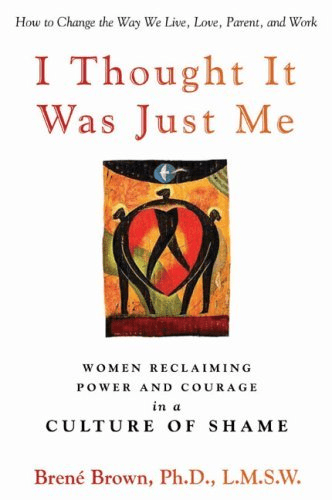
Brené Brown nails it: we live in a shame-based culture. Ashamed people often become bullies and so that’s what you are dealing with. This book is about how to recover from it.
Finally, Eula Bliss’s “Having and Being Had,” for a wonderful meditation on, well everytning in between, commodifictation and expectation in this life we try to live through:
 Mary Louise Penaz
Leave a comment